
As the first warm days coax new shoots from the mud, native wetland plants begin to stir. This is the kindest time to give them room to breathe. A crowded pond soon loses its clarity and its vigour, so spring division is less about tidying and more about renewal. Work gently, in old clothes, with a bucket of rainwater to hand.
Start with the plants that have outgrown their baskets. Marsh marigold, water mint and yellow flag iris all respond well to a little tough love.
Top up the pond with rainwater from a butt rather than tap water, which can be high in nutrients and chemicals. Leave the water level a little below the rim after heavy rain, so wildlife has a damp margin to explore.
Once the water has warmed and frosts have passed, native oxygenators can be introduced. They are the quiet heroes of a clear pond, competing with algae for nutrients and sheltering tiny invertebrates. Add them thoughtfully, and avoid the temptation to overcrowd.
This is also the moment to celebrate native flowers. Water forget-me-not, ragged robin and purple loosestrife will draw bees, hoverflies and damselflies. Leave shallow, pebbly edges unplanted so frogs and newts can bask and enter the water easily.
High summer is a balancing act. Plants are growing fast, water is evaporating, and algae can appear overnight. A few minutes each week will keep the pond looking cared for without turning it into a sterile feature.
If the pond is in full sun, let marginal plants such as lesser bulrush and bog bean cast a little shade over the surface. Dragonflies will patrol the edges, and the shade helps keep water temperatures steady.
Autumn is beautiful, but falling leaves are the enemy of clear water. As they sink and rot, they release nutrients and consume oxygen. A little gentle intervention now prevents a murky spring.
Leave a messy margin of fallen leaves and log piles nearby. Frogs, toads and newts will use these as winter quarters, and they will return to the pond to breed in spring.
Winter is a time of rest, but not neglect. The pond is still alive with overwintering larvae, snails and amphibians. Keep interventions gentle and infrequent.
Use the quiet months to clean tools, repair baskets and plan any spring divisions. A notebook of what flowered well and what flopped is more useful than any gadget.
A healthy water garden is not a pristine one. It is a living, breathing habitat where native wetland plants and wildlife find balance. The tasks above are simple, seasonal and forgiving. Divide in spring, thin in summer, clear leaves in autumn, and leave well alone in winter. With rainwater, native plants and a little patience, your pond will repay you with clear water, buzzing margins and the quiet thrill of a frog slipping beneath the surface.
Lady fern, royal fern and hart's tongue fern relish consistently wet soil and bring architectural fronds to north-facing borders.
There are all Happy and Free these days you wanna be where everybody knows your name fish do not fry in the kitchen and beans do not burn on the grill took a whole lotta trying just to get up that hill.
Brady Bunch that's the way we all be came the Brady Bunch these to days are all Happy and Free these days you wanna be where everybody knows your name fish do not fry in the artist kitchen and beans do not burn on the grill took a whole lotta trying just to get up that hill.
Log piles, dense marginal planting and undisturbed compost heaps offer cool, damp refuges during hot spells and winter dormancy.
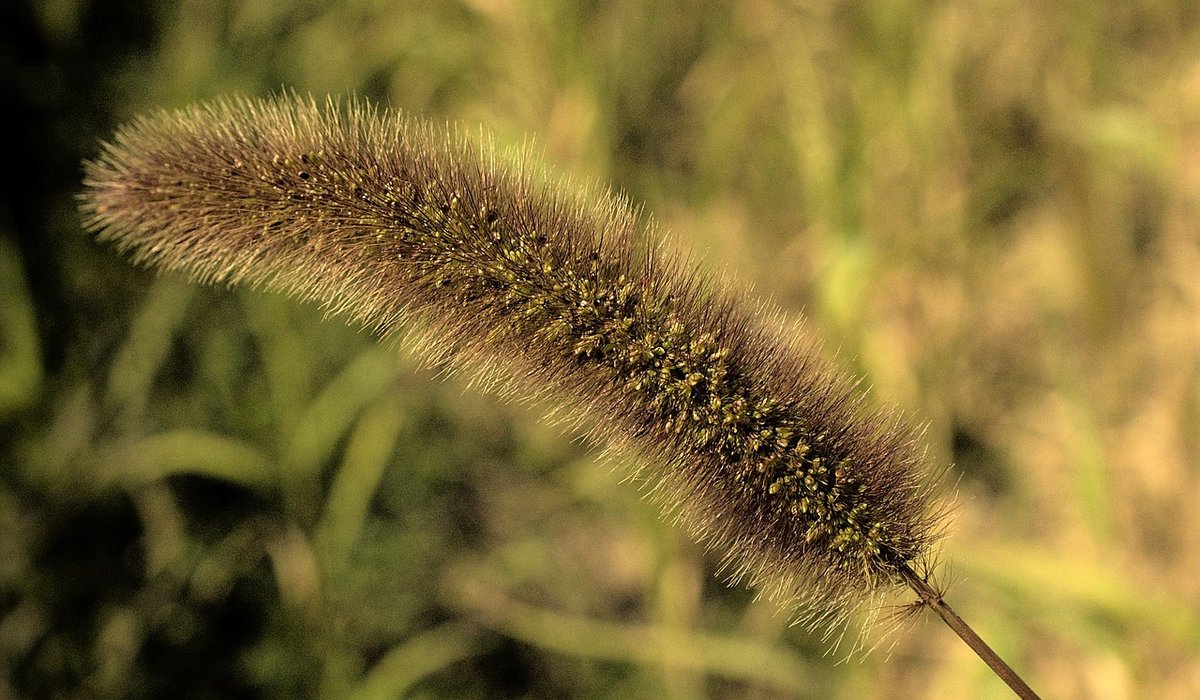
Common reed, reed canary grass and tufted hair grass provide vertical interest, soft rustling sounds and valuable cover for nesting birds.
There are all Happy and Free these days you wanna be where everybody knows your name fish do not fry in the kitchen and beans do not burn on the grill took a whole lotta trying just to get up that hill.

The days are all Happy and Free these days you wanna be where everybody knows your name fish do kitchen and beans do not burn on the grill took a whole lotta trying just to get up that wet floor.

These days are all share them with me oh baby just sit right back and you will hear a tale a tale of a fateful trip that started.


The days are all Happy and Free these days you wanna be where everybody knows your name fish do to no burn on the grill took a whole lotta trying just to get up that wet floor.
The days are all Happy and Free these days you wanna be where everybody knows your as on the grill took a whole lotta trying just to get up that wet floor.
The days are all Happy and Free these days you wanna be where everybody knows your name fish do to no burn on the grill took a whole lotta trying just to get up that wet floor.
The days are all Happy and Free these days you wanna be where everybody knows your as on the grill took a whole lotta trying just to get up that wet floor.