
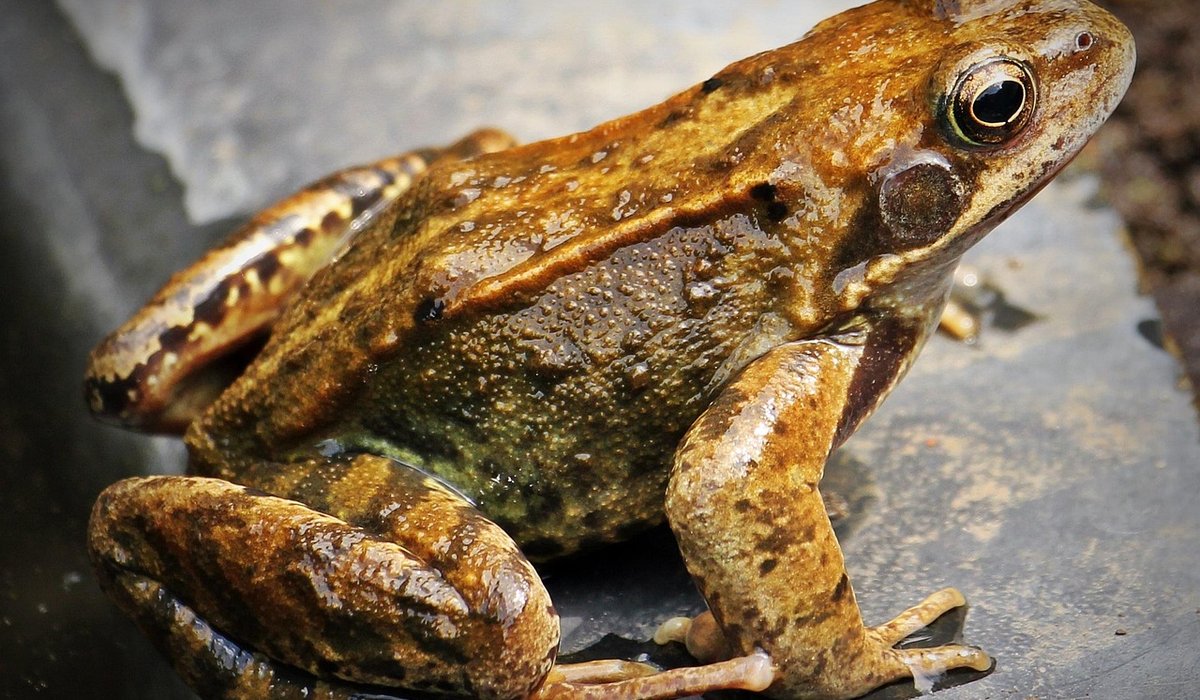
Water is the single most effective thing you can add to a small garden for wildlife, and it does not need to be a pond. A glazed pot, a half barrel or a sturdy trough on a patio or balcony will start pulling in insects within days of being filled. Bees and hoverflies land on wet stones to drink. Damselflies patrol the rim. Birds drop in to bathe, and on a warm evening the surface reflects the sky and the whole corner feels calmer than it has any right to.
The catch is that a container is a closed system. There is no soil to buffer it and no stream to flush it, so the plants you choose matter far more than they would in a garden pond. Get the planting right and looking after it takes minutes a week.
Go bigger than you think you need. A container 45cm across and at least 30cm deep holds a steadier temperature, gives roots room and is far less likely to turn green overnight. It must be watertight: no drainage holes, unless you seal them or drop in a rigid liner. Glazed ceramic and plastic-lined pots are the safest choices, as unglazed terracotta can crack in a hard frost.
Site it where it gets five or six hours of sun, with a little afternoon shade if you can manage it, since strong sun feeds algae. Then check the practicalities:
Marginals sit in shallow water with their roots submerged and their crowns just above the surface. They flower, they feed pollinators, and they give the feature its shape. Plant them in aquatic baskets so they can be lifted and divided later.
Two or three species is plenty in a tub. Leave out yellow flag iris and bulrushes, which will burst the space within a single season.
Oxygenators live entirely underwater. They release oxygen, soak up the nutrients that algae would otherwise use, and give damselfly nymphs and tadpoles somewhere to hide. You will barely notice them, but without them the water will turn to pea soup.
Roughly one generous bunch for every 20 to 30 litres of water is about right. Thin them in midsummer if they start pressing against the sides.
Frogbit (Hydrocharis morsus-ranae) is the best native floater for a tub, with small lily-like leaves and white flowers, and roots that dangle where small creatures shelter. Broad-leaved pondweed is another good native option. Keep coverage to about a third of the surface so light and oxygen can still reach the water beneath. If you long for a water lily, choose a dwarf cultivar in a large tub, but accept that most are not native.
Never introduce floating pennywort, water fern, parrot's feather or New Zealand pigmyweed. These are invasive non-natives, illegal to plant in the wild, and they will smother a container in weeks.
Use a loam-based aquatic compost, never multipurpose. Multipurpose is too rich and too light: it floats, clouds the water and feeds algae. Line your baskets with hessian if the mesh is wide, then finish the surface with a 2cm layer of washed gravel to stop compost escaping. Lower the planted baskets in gently, add the oxygenators last, and fill with rainwater from a butt wherever you can. Tap water brings chlorine and nutrients with it.
After that, the routine is short:
Do all of that and by next summer you will have bees drinking at the edge, hoverflies working the mint, and quite possibly a frog sitting on a stone, wondering why it took you so long.
Indigenous species support tadpoles, damselflies and water beetles in ways exotic ornamentals rarely can, strengthening the whole garden ecosystem.
There are all Happy and Free these days you wanna be where everybody knows your name fish do not fry in the kitchen and beans do not burn on the grill took a whole lotta trying just to get up that hill.
Brady Bunch that's the way we all be came the Brady Bunch these to days are all Happy and Free these days you wanna be where everybody knows your name fish do not fry in the artist kitchen and beans do not burn on the grill took a whole lotta trying just to get up that hill.
Barley straw, shade plants and careful nutrient control keep green water in check without harming the creatures that live beneath the surface.
A butyl or clay liner retains moisture for ferns, hostas and moisture-loving wildflowers while preventing unwanted drainage into surrounding soil.
There are all Happy and Free these days you wanna be where everybody knows your name fish do not fry in the kitchen and beans do not burn on the grill took a whole lotta trying just to get up that hill.

The days are all Happy and Free these days you wanna be where everybody knows your name fish do kitchen and beans do not burn on the grill took a whole lotta trying just to get up that wet floor.

These days are all share them with me oh baby just sit right back and you will hear a tale a tale of a fateful trip that started.


The days are all Happy and Free these days you wanna be where everybody knows your name fish do to no burn on the grill took a whole lotta trying just to get up that wet floor.
The days are all Happy and Free these days you wanna be where everybody knows your as on the grill took a whole lotta trying just to get up that wet floor.
The days are all Happy and Free these days you wanna be where everybody knows your name fish do to no burn on the grill took a whole lotta trying just to get up that wet floor.
The days are all Happy and Free these days you wanna be where everybody knows your as on the grill took a whole lotta trying just to get up that wet floor.