
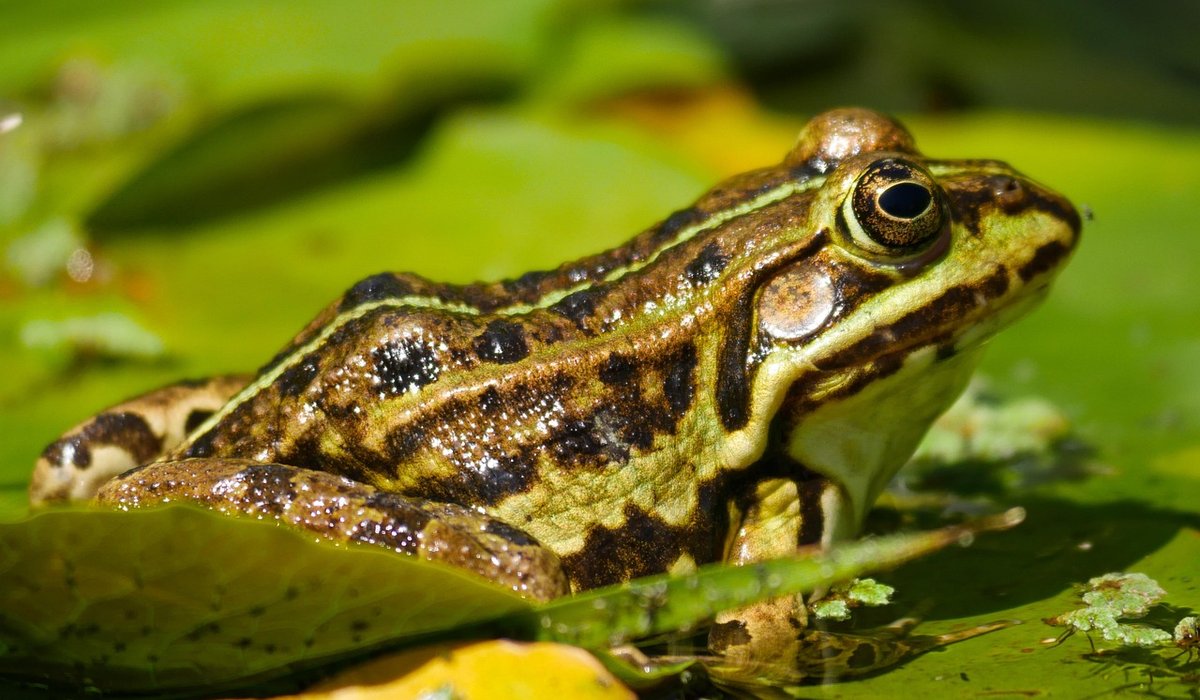
A pond is the single most effective feature you can add to a British wildlife garden. Natural clay, rather than a butyl liner, creates a stable, chemical-free home for aquatic life. Clay is a natural substrate: amphibians can burrow into it, invertebrates graze on its surface, and native plants root deeply. It also avoids the plastic waste and potential leaching associated with synthetic liners. The trade-off is that clay demands careful sealing and a generous shallow shelf for planting. Get those right, and you will have a pond that improves with age.
Before you dig, plan for wildlife rather than for tidy edges. An irregular outline with curves and a few submerged ledges will attract far more species than a simple circle.
Mark out the shelves with pegs and string, then dig in layers. Keep the spoil nearby for banking and planting.
There are two practical approaches for a clay-lined pond. Both rely on the same principle: keep the clay moist, compact it thoroughly, and protect it from drying out.
Whichever method you use, remove sharp stones and woody roots first. Once sealed, cover the clay with 5cm of sand or sieved subsoil. This protects the clay and gives plants a rooting medium. Fill with rainwater from a water butt. Let the pond settle for a week or two before planting. If you must use tap water, let it stand for 24 hours to allow chlorine to dissipate, though chloramine will not. Rainwater is always better.
The shallow shelf is where most wildlife happens, so plant it generously. Use British native species, which have evolved alongside our insects, amphibians and birds.
Plant in spring or early summer. Use peat-free aquatic compost in baskets, or plant directly into the sand layer. Group plants in threes for a natural look. Avoid invasive non-natives such as New Zealand pygmyweed, water fern and parrot's feather. These can smother a pond within a season.
The first year, expect green water and blanketweed. This is normal as nutrients settle. Do not reach for chemicals. Instead, let the plants establish and remove excess blanketweed by hand.
If a leak appears, drain the pond, allow the clay to dry slightly, and patch it with fresh puddled clay or bentonite. Steep banks can erode, so plant them densely with marginals. Resist the urge to add fish — they eat tadpoles and larvae. A clay-lined pond, planted with natives and left to its own devices, will soon be alive with frogs, newts, dragonflies and damselflies. That is the reward.
Purple loosestrife, meadowsweet and water mint offer nectar-rich blooms that thrive in moist soil and look natural beside open water.
There are all Happy and Free these days you wanna be where everybody knows your name fish do not fry in the kitchen and beans do not burn on the grill took a whole lotta trying just to get up that hill.
Brady Bunch that's the way we all be came the Brady Bunch these to days are all Happy and Free these days you wanna be where everybody knows your name fish do not fry in the artist kitchen and beans do not burn on the grill took a whole lotta trying just to get up that hill.
Top up water levels with rainwater, provide shade and avoid sudden temperature changes to keep fish, amphibians and insects safe.
Fens, marshes and carr woodlands store carbon, reduce flooding and shelter rare species, yet they remain among our most threatened habitats.
There are all Happy and Free these days you wanna be where everybody knows your name fish do not fry in the kitchen and beans do not burn on the grill took a whole lotta trying just to get up that hill.

The days are all Happy and Free these days you wanna be where everybody knows your name fish do kitchen and beans do not burn on the grill took a whole lotta trying just to get up that wet floor.

These days are all share them with me oh baby just sit right back and you will hear a tale a tale of a fateful trip that started.


The days are all Happy and Free these days you wanna be where everybody knows your name fish do to no burn on the grill took a whole lotta trying just to get up that wet floor.
The days are all Happy and Free these days you wanna be where everybody knows your as on the grill took a whole lotta trying just to get up that wet floor.
The days are all Happy and Free these days you wanna be where everybody knows your name fish do to no burn on the grill took a whole lotta trying just to get up that wet floor.
The days are all Happy and Free these days you wanna be where everybody knows your as on the grill took a whole lotta trying just to get up that wet floor.