
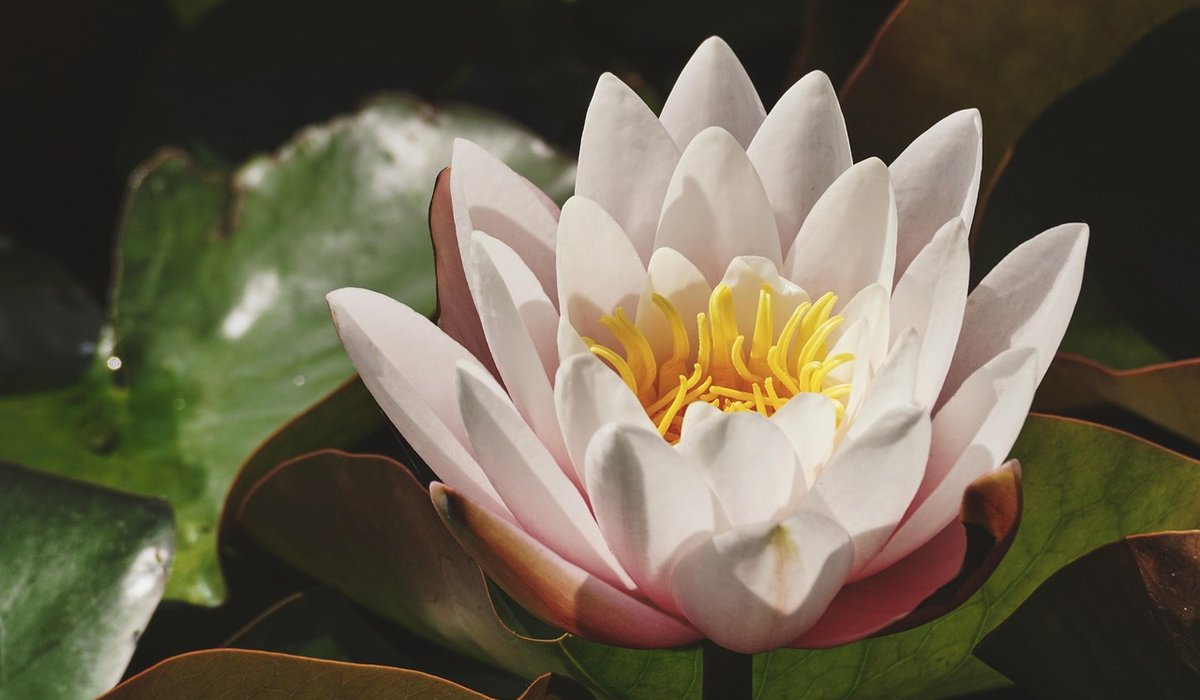
Marginal plants are the ones that grow at the water’s edge, where soil is wet but not permanently deep. In a small pond they do three jobs at once. They soften the liner, shelter wildlife and take up nutrients that would otherwise feed algae. Native species are especially valuable because British insects, amphibians and birds have evolved alongside them. A clump of marsh marigold or water mint will be used by far more creatures than a fancy foreign cultivar.
Small ponds can be wildlife hotspots. Because they warm quickly in spring, they often produce frogspawn and dragonfly nymphs earlier than larger water bodies. The right marginals help you make the most of that potential without turning a compact pond into a tangled jungle.
Before you buy, check the planting shelf depth and how much sun the pond receives. Most native marginals prefer shallow water, roughly 0–15cm above the basket rim. A few want boggy soil just above the waterline. Always look at the mature spread, not the size in the pot. In a small pond, clump-forming plants are easier to manage than runners.
Light matters too. Flowering plants such as water mint and ragged robin need sun to perform. Soft rush and sedges tolerate light shade and give structure where frogs like to hide.
If you have room, add a small native sedge such as common sedge (Carex nigra). Avoid yellow flag iris and bulrush in a tiny pond; they are beautiful but can quickly dominate.
Use proper aquatic compost and plant in aquatic baskets. Line the basket with hessian if the mesh is wide, then top the compost with a 1–2cm layer of gravel. This stops soil escaping and keeps the water clear. Never use garden soil, multipurpose compost or fertiliser; the nutrients will feed blanketweed and green water.
Plant in spring when growth is starting. Set the basket so the compost surface is at the recommended depth. After planting, water with rainwater if the pond level drops. A few native oxygenators in the deeper water will also help, but marginals are the workhorses at the edge.
To keep a small pond balanced, aim for about half the surface shaded at maturity, with marginals grouped rather than dotted. Divide congested clumps every two or three years in early spring. Cut back only what you need to; hollow stems and seedheads are valuable wildlife habitat.
In early spring, marsh marigold feeds newly emerged queen bees while frogs and newts return to the pond. By early summer, water forget-me-not and brooklime provide cover for tadpoles and dragonfly nymphs. Water mint flowers in late summer, drawing in hoverflies that also prey on aphids in the rest of the garden.
Autumn and winter are not dead seasons. Seedheads of ragged robin and sedges feed birds, and soft rush gives shelter for insects. Leave the stems standing until late spring, then cut back a third at a time so creatures can move to safety. A little mess at the pond edge is one of the best gifts you can give to British wildlife.
With a handful of well-chosen native marginals, a small pond becomes a year-round wildlife garden. Start with three or four reliable species, plant them properly, and let the pond find its own balance.
Even a small shaded space can become a haven for frogs, newts and insects with careful planting and a shallow pebble beach.
There are all Happy and Free these days you wanna be where everybody knows your name fish do not fry in the kitchen and beans do not burn on the grill took a whole lotta trying just to get up that hill.
Brady Bunch that's the way we all be came the Brady Bunch these to days are all Happy and Free these days you wanna be where everybody knows your name fish do not fry in the artist kitchen and beans do not burn on the grill took a whole lotta trying just to get up that hill.
From pendulous sedge to flea sedge, these graceful grasses add texture and movement to consistently moist soil without becoming invasive.
Compact aquatic plants and a few submerged oxygenators turn a patio tub into a peaceful water feature for bees and birds.
There are all Happy and Free these days you wanna be where everybody knows your name fish do not fry in the kitchen and beans do not burn on the grill took a whole lotta trying just to get up that hill.

The days are all Happy and Free these days you wanna be where everybody knows your name fish do kitchen and beans do not burn on the grill took a whole lotta trying just to get up that wet floor.

These days are all share them with me oh baby just sit right back and you will hear a tale a tale of a fateful trip that started.


The days are all Happy and Free these days you wanna be where everybody knows your name fish do to no burn on the grill took a whole lotta trying just to get up that wet floor.
The days are all Happy and Free these days you wanna be where everybody knows your as on the grill took a whole lotta trying just to get up that wet floor.
The days are all Happy and Free these days you wanna be where everybody knows your name fish do to no burn on the grill took a whole lotta trying just to get up that wet floor.
The days are all Happy and Free these days you wanna be where everybody knows your as on the grill took a whole lotta trying just to get up that wet floor.