
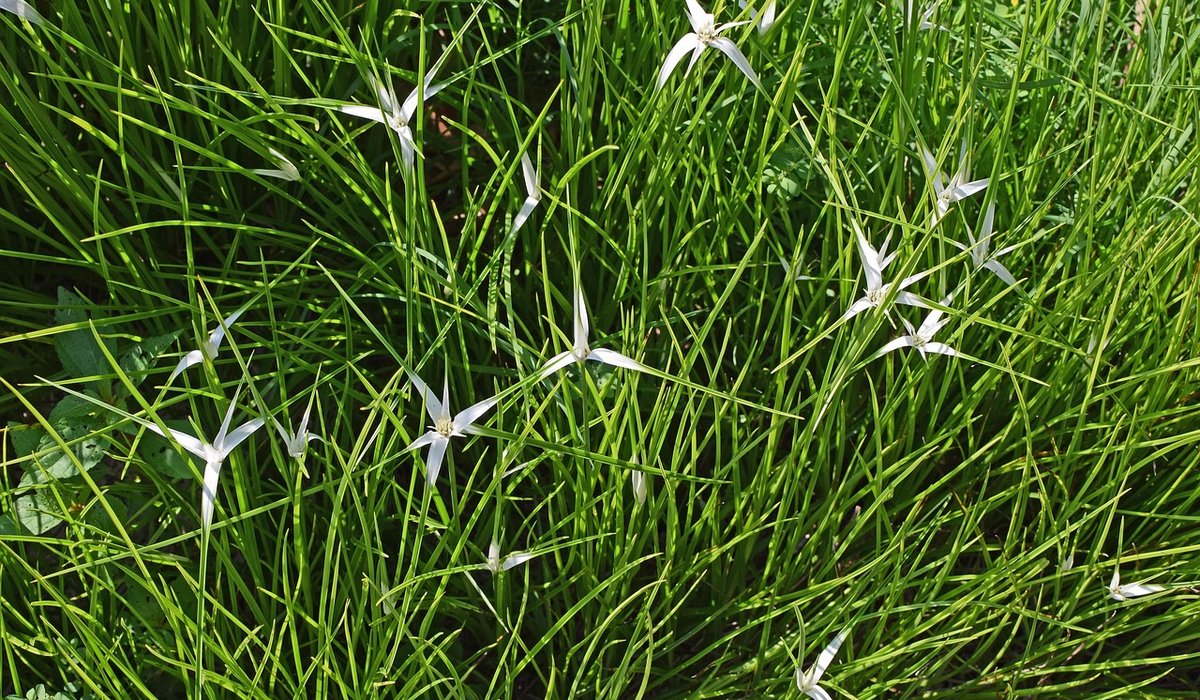
A natural pond edge is not a single line but a gradient. In a British wildlife pond, the most convincing and healthy edges come from layering plants by depth and habit. Submerged oxygenators live entirely below the surface; floating-leaved plants rest on the water; emergent and marginal species rise through the shallows and spill onto the bank. Together they mimic a wild fen or old farm pond. They filter water, shelter wildlife and hide the liner.
Think of the pond as three overlapping communities. The submerged layer works like an engine, taking nutrients directly from the water. Floating leaves act as a sunshade, limiting algae without blocking all light. Emergent and marginal plants knit the water to the land, softening the plastic edge and giving insects, amphibians and birds somewhere to perch, hunt and hide. Get the mix right and the pond becomes far more than a hole in the ground.
Submerged plants are the workhorses of a wildlife pond. They grow below the surface, release oxygen during daylight and absorb dissolved nutrients that would otherwise feed blanket weed and green water. Native choices include hornwort (Ceratophyllum demersum), spiked water-milfoil (Myriophyllum spicatum), curled pondweed (Potamogeton crispus), water starwort (Callitriche stagnalis) and common water-crowfoot (Ranunculus aquatilis).
Plant them in aquatic baskets filled with loam and topped with washed grit, or drop weighted bunches of hornwort straight into the water. Most prefer 30–60 cm of depth, though water starwort will cope in shallower margins. In summer, thin them if they fill more than about a third of the water volume. You want a living filter, not a tangled mat.
Floating-leaved plants root in the bottom but send their leaves to the surface. They shade the water, which slows algae and gives cover for frogs, newts and dragonfly nymphs. The classic British natives are white water-lily (Nymphaea alba) and yellow water-lily (Nuphar lutea), but both are vigorous. For smaller ponds, choose broad-leaved pondweed (Potamogeton natans) or the free-floating frogbit (Hydrocharis morsus-ranae).
Aim for 30–50% surface coverage by midsummer, leaving open water for birds to bathe and insects to hover over. Plant lilies in wide baskets at 45–90 cm depth, using loam and a grit top. Allow 1–2 square metres per lily. Frogbit simply needs a quiet corner and occasional thinning. Never let floating plants cover the entire pond; the underwater community still needs light and gas exchange.
This is where the natural edge is made. Emergent plants have roots below water and stems, leaves and flowers above. Marginal plants tolerate wet soil at the waterline. They break the hard line of the liner and provide cover for amphibians, insects and birds. Native options include yellow flag iris (Iris pseudacorus), purple loosestrife (Lythrum salicaria), marsh marigold (Caltha palustris), water mint (Mentha aquatica), water forget-me-not (Myosotis scorpioides), brooklime (Veronica beccabunga), greater pond-sedge (Carex riparia), soft rush (Juncus effusus) and meadowsweet (Filipendula ulmaria).
Plant in groups rather than single specimens. To hide the liner, allow some plants to trail over the edge: marsh pennywort (Hydrocotyle vulgaris), creeping jenny (Lysimachia nummularia), water mint and brooklime all work well. Add stones, pebbles and a few logs to blur the boundary. Avoid invasive non-natives such as Australian swamp stonecrop, water fern and parrot’s feather; they can smother a small pond within a season.
Use a simple plan. Create a marginal shelf about 20–30 cm deep and 30–45 cm wide. Line baskets with hessian if you like, then fill with loam-based compost, not multipurpose compost, which floats and feeds algae. Top with 2 cm of washed grit to stop fish and birds disturbing the roots. Plant in spring or early autumn, when the water is warming but not yet hot.
Hide liner edges with stones, gravel, logs and creeping marginals. Fill the pond with rainwater where possible; tap water can bring extra nutrients. Be patient: first year sleeps, second year creeps, third year leaps. Thin oxygenators in late summer and divide crowded marginals every few years.
When layered properly, a pond becomes largely self-regulating. Submerged plants filter the water, floating leaves shade out algae, and emergents take up nutrients from the margins while hiding the liner. Wildlife arrives on its own: frogs, toads, newts, dragonflies, damselflies, water boatmen and bees. In return, you need only gentle maintenance. Leave seed heads for birds, keep some dead stems over winter for insects, and remove excess growth before it collapses.
A natural pond edge is never finished. It shifts with the seasons, fills in, opens up and shifts again. That is exactly what makes it alive. Layer your plants, watch the water clear, and let the bank disappear into leaf, flower and shelter.
Cut back dead growth, ensure oxygenators remain submerged and avoid disturbing dormant wildlife tucked into silt and hollow stems.
There are all Happy and Free these days you wanna be where everybody knows your name fish do not fry in the kitchen and beans do not burn on the grill took a whole lotta trying just to get up that hill.
Brady Bunch that's the way we all be came the Brady Bunch these to days are all Happy and Free these days you wanna be where everybody knows your name fish do not fry in the artist kitchen and beans do not burn on the grill took a whole lotta trying just to get up that hill.
Selecting the right native marginal plants creates shelter for wildlife and keeps pond water clear throughout the growing season.
Even a small shaded space can become a haven for frogs, newts and insects with careful planting and a shallow pebble beach.
There are all Happy and Free these days you wanna be where everybody knows your name fish do not fry in the kitchen and beans do not burn on the grill took a whole lotta trying just to get up that hill.

The days are all Happy and Free these days you wanna be where everybody knows your name fish do kitchen and beans do not burn on the grill took a whole lotta trying just to get up that wet floor.

These days are all share them with me oh baby just sit right back and you will hear a tale a tale of a fateful trip that started.


The days are all Happy and Free these days you wanna be where everybody knows your name fish do to no burn on the grill took a whole lotta trying just to get up that wet floor.
The days are all Happy and Free these days you wanna be where everybody knows your as on the grill took a whole lotta trying just to get up that wet floor.
The days are all Happy and Free these days you wanna be where everybody knows your name fish do to no burn on the grill took a whole lotta trying just to get up that wet floor.
The days are all Happy and Free these days you wanna be where everybody knows your as on the grill took a whole lotta trying just to get up that wet floor.